The Two Types of Luxury Hotels
The Two Types of Luxury Hotels
Most luxury hotels look expensive. Very few feel irreplaceable.
Spend enough time in this business and a simple truth emerges: the world’s luxury hotels fall into two categories, decorative hotels and experiential hotels. The distinction isn’t linguistic; it shapes guest behavior, spending patterns, and ultimately how investors value the asset.
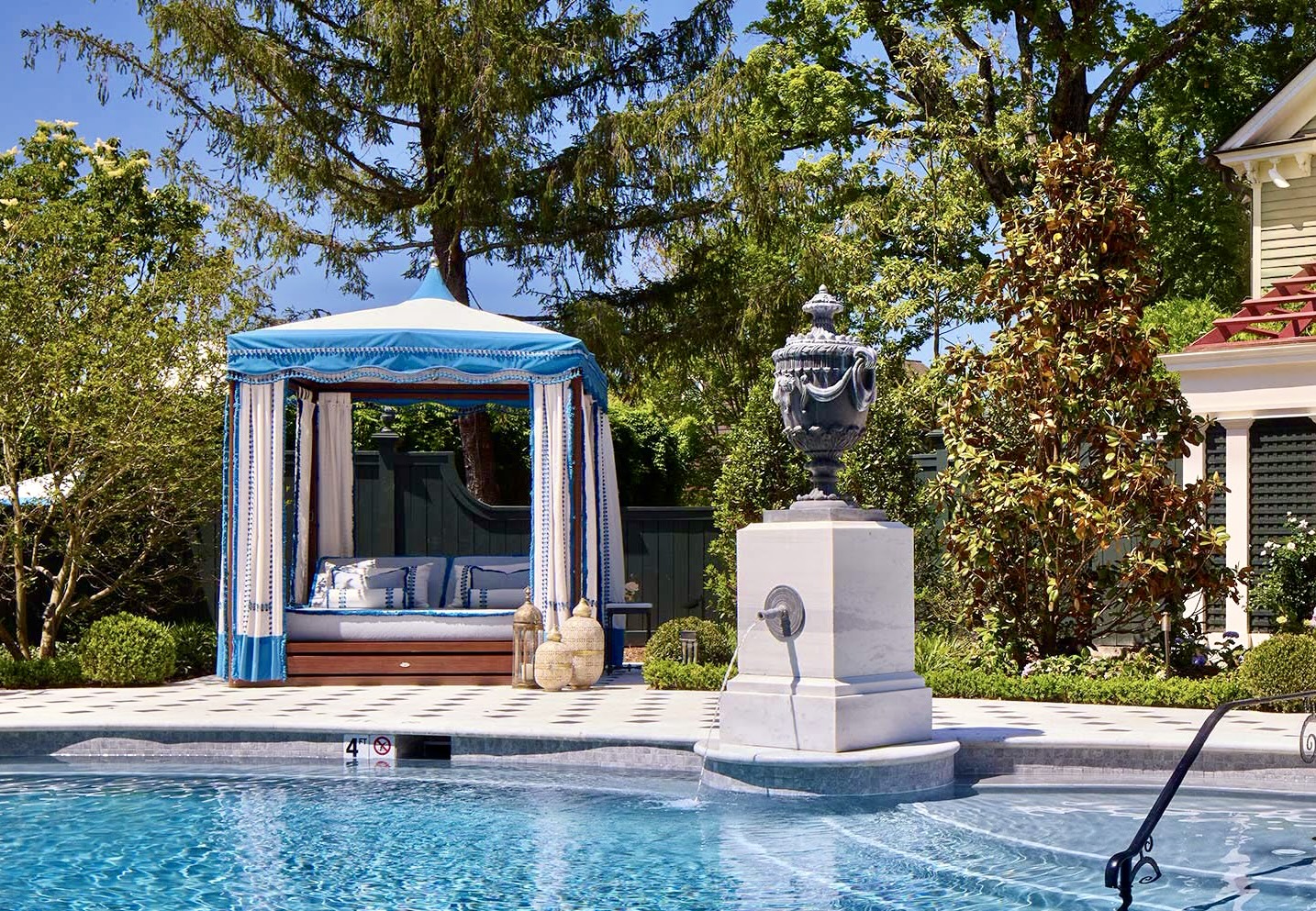
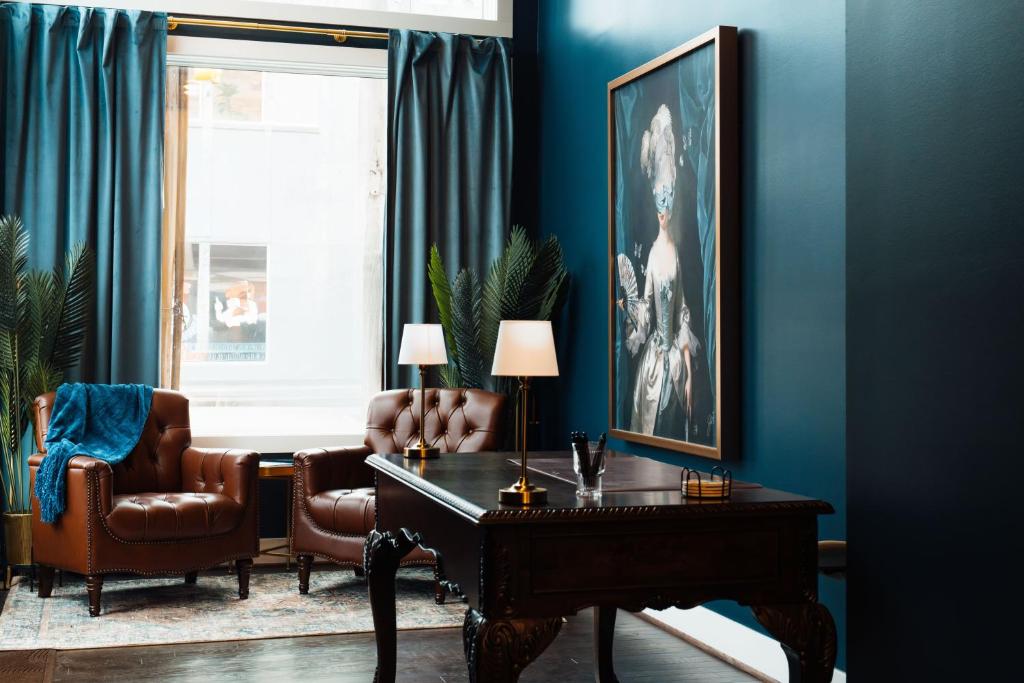
Decorative luxury fills most of the global inventory. The lobbies are beautiful, even seductive, and they may well feature objects, art, or antiques you can’t find anywhere else. The lighting glows perfectly, the rooms photograph beautifully, and every surface reflects careful design attention. The owners have executed a flawless visual aesthetic that signals taste and precision, so guests arrive, admire the setting, take a few photos, and continue on their journey.
The experience functions like a stage set in which everything looks correct and feels expensive. Months later, the memory fades and the hotel quietly joins a long list of places that looked beautiful and performed acceptably.
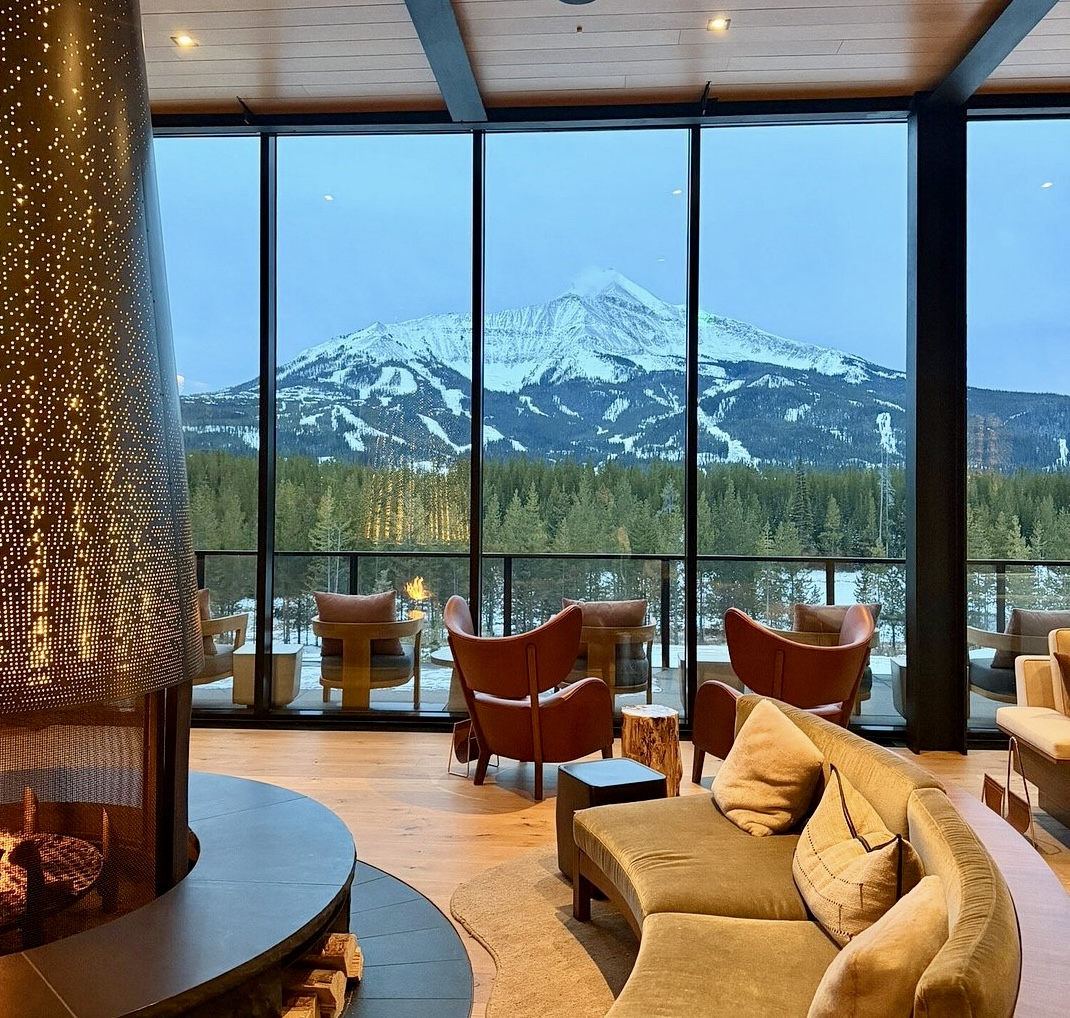
Experiential luxury produces a completely different reaction. Guests arrive and feel pulled into a place that already has a story underway. The owner’s vision shows up everywhere, and not just in the design. Staff know returning guests by name, dinner feels like part of the destination, even like a meal in someone’s home, and if you spend five minutes speaking with the GM, you feel like you know the owner personally, even if you never meet them.
Guests return and bring friends, and anniversaries, birthdays, and family milestones are celebrated there. Over time, travelers talk about the property the way they’d speak of a beloved restaurant or a favorite house on the coast.
This difference shows up immediately in the numbers because experiential hotels generate repeat guests, word-of-mouth demand, and extraordinary pricing power. Occupancy stabilizes, ADR climbs, and revenue flows from a loyal base of travelers who feel attached to the place.
Decorative hotels often discover that occupancy and rate begin to soften. Owners respond with new “programs,” menu “improvements,” a new chef, or a rotating list of amenities designed to capture attention. These gestures rarely restore what’s been lost, and the attempt to manufacture novelty usually cheapens the experience while the numbers continue to drift. The danger is that you end up with the tragedy of a beautiful hotel that delivers an experience more in line with a Westin.
A hotel can survive for years in this state because guests still admire the décor and photographs continue to circulate widely. But the deeper loyalty that once sustained the property begins to erode.
Owners sometimes assume the design itself carries the value, yet the market consistently places its highest valuations on properties where the experience surrounding that design remains vibrant, distinctive, and impossible to replicate elsewhere.
That reality drives the real economics of luxury hospitality.