Scarcity as a Platform Asset: How Limited Brand Growth Supports ADR and Exit Value
Scarcity as a Platform Asset: How Limited Brand Growth Supports ADR and Exit Value
There’s a fortune to be made growing a great luxury brand. But if you plant the damn flag everywhere, you’ll start vaporizing some of that money.
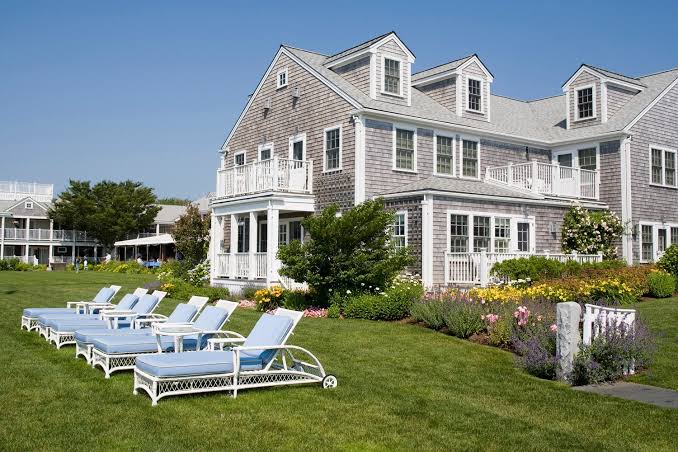
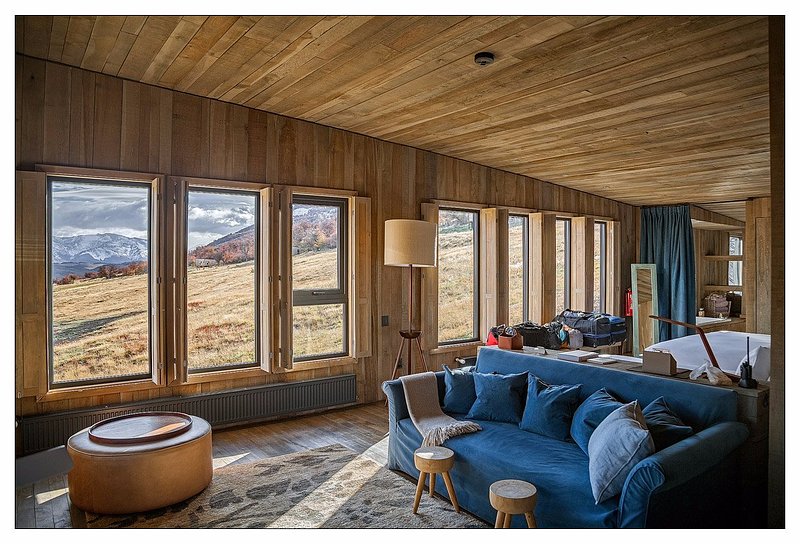
There’s only one Hassler in Rome and one and one Le Bristol in Paris. Their singularity explains the rate they command and the value somebody would pay to own them.
But that doesn’t mean you can’t grow at all. Micro-brands are a real thing, and they get interesting at five to ten exceptional properties. Each opening can widen distribution and feed demand across a small collection; but at the same time, the brand remains genuinely scarce. There comes a point, though, when adding another flag makes the whole thing less special. The customer paying $3,000 a night doesn’t need another Starbucks.
The underwriting question here is brutally simple: what does the next opening do to the hotels you already own? Model what it does to same-store ADR and to the demand pool that already supports existing properties. Then compare the new fee stream with any value lost across the portfolio. If you can see that the manager gets richer while the owners get poorer, you’ve put your high school algebra to good use.
A word about branded residences, because they’re all the rage now, and for good reason. They absolutely can make scarcity even more valuable. Buyers will pay enormous premiums for the right name, and those sales can transform development economics before the hotel even opens. But if you proliferate the brand carelessly, you start eating into the very premium those buyers paid for. Which would you pay the most for: an Aman residence or a Ritz-Carlton? Before you answer, know that the market says an Aman residence is worth 5X the Ritz.
The same math can follow you to exit. If you bought into a seven-property brand and five years later there are thirty of them, the thing you’re selling is less scarce than the thing you bought. Duh. But if you fail to understand the import of that reality, I’m here to tell you that it shows up in what the next buyer is willing to pay.
It gets more interesting once a collection moves beyond, say, 15 properties. One&Only is a useful case: Kerzner has proactively capped the total product count at 35 destinations globally. They’ve decided there’s a point where one more flag costs more than it earns.
So ask the question before you write the check: how big do you intend to become? Then put the answer into the model. Set a property cap, define overlap limits, establish minimum same-store ADR and RevPAR performance, quantify fee dilution, and specify the exit multiple penalty if management breaks those rules.
There’s money in growth, but you have to be smart about it. Push it too far and you start eating yourself.