The Rooms You Don’t Build
The Rooms You Don’t Build
In upmarket hospitality, the room you refuse to build can protect the rate on every room you already have. That sounds odd only if you think hospitality works like ordinary density math.
It’s really very simple. A small hotel can protect privacy in a way a larger version often can’t. Guests at the highest end pay serious money to avoid the crowd, and the extra rooms left unbuilt help protect that.
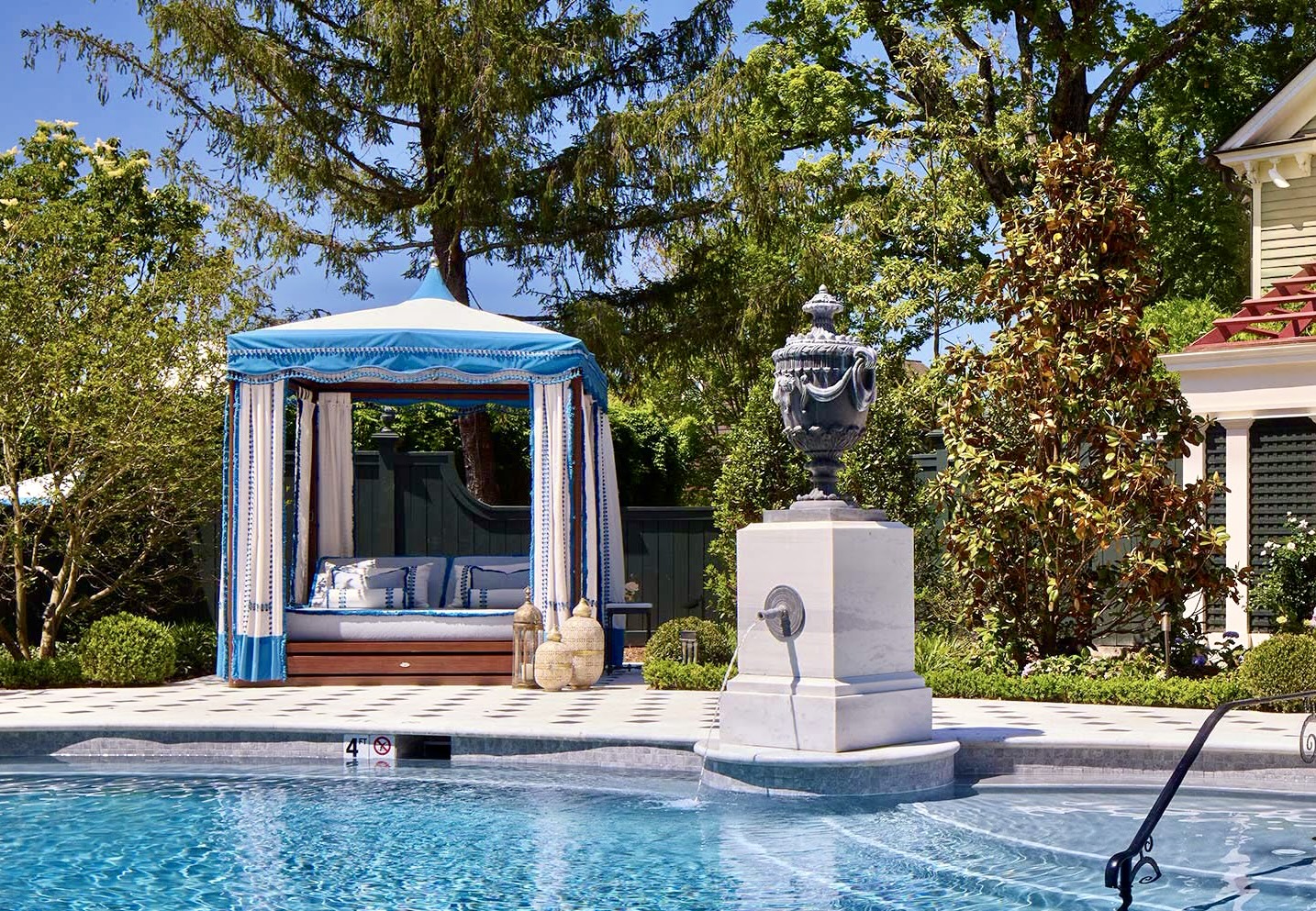
A flower-filled garden can look like wasted land to a developer. The same garden can be the reason the guest returns every summer and pays the rate without flinching. Build rooms on that garden, and the owner may gain keys while weakening the reason the existing keys had power.
The same principle applies to the quiet terrace that could hold another structure, the lawn that could become another wing, or the old library that could become another suite. The buyer may see unused capacity. The guest may see the part of the property that makes the place worth remembering.
In big-box mid-market hotels, lots of keys may well translate into performance. In upmarket hospitality, density can become the expensive way to cheapen a property. A hotel can add rooms and still make the business worse.
If a property has 30 keys, can the entry-level room sell for $1,200 and ADR reach $3,500? Quite possibly, if the product’s good enough and the place still feels private. If the same property grows to 100 keys, can it still hold that rate? The answer is probably no. People paying serious money usually don’t want to spend their stay surrounded by 200 other guests.
This is how restraint translates into the bottom line. A smaller count can bring a higher rate and a stronger guest mix, and those guests produce fatter margins.
Owners, investors, and buyers alike should take note because the highest-paying guest has choices. That guest leaves quickly when a property starts feeling crowded. The owner may never hear the complaint, because the guest with real choices will simply leave without giving a closing argument.
The development model may still look attractive with more keys. That model can quietly destroy the guest behavior that made the asset interesting in the first place. A room added in the wrong place can lower the stature of every room already there.
A great small hotel shouldn’t be treated like a half-finished larger hotel. Its size may be one of the reasons it works. The room you don’t build can be the room that protects the rate.